Do You Actually Need a Permit to List on Airbnb?
A lot of first-time hosts skip this step. Here's what to check before your listing goes live. Most first-time hosts find out about STR&...
Table Of Contents
Share Article
A lot of first-time hosts skip this step. Here's what to check before your listing goes live.
Most first-time hosts find out about STR permits the wrong way.
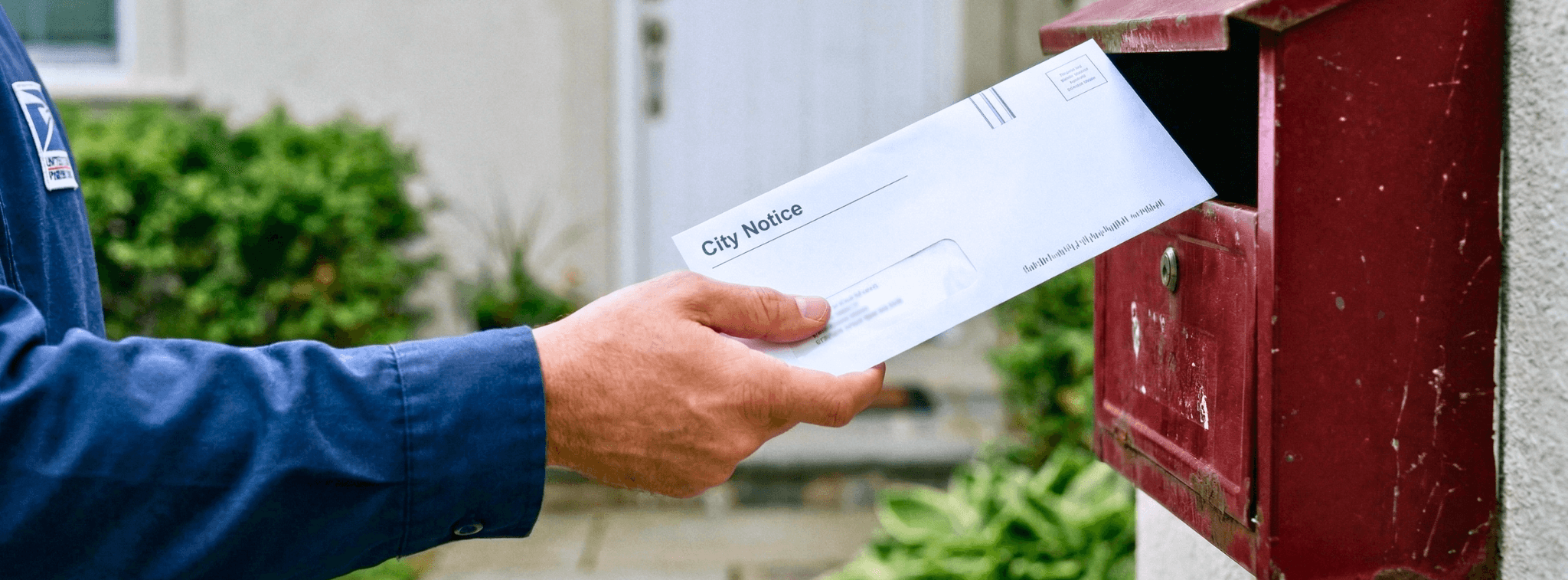
Not from a blog. Not from a checklist. From a neighbor's complaint, a city notice, or a warning from Airbnb that shows up right when they were expecting their first booking.
A host finishing renovations recently came in thinking she was a few weeks from going live. She had her photos planned, her pricing figured out, her first guests practically picked out in her head. She had never heard of an STR permit until that meeting. She wasn't careless. Nobody told her.
That gap is more common than most people realize.
The short answer is yes. Most cities require one.
Short-term rental permits are local rules, which means they vary by city, county, and sometimes even by neighborhood. What's allowed in one zip code might be restricted in the next one over. And "I didn't know" won't be accepted as an excuse once a complaint has been filed.
Here's what typically falls under STR permitting:
- A short-term rental business license or permit issued by your city or county
- Registration with your local tax authority so you can collect and pass along the short-term rental taxes guests pay on their stay (similar to how hotels charge lodging tax)
- Proof that the property is your primary residence (the home you live in most of the time), required in some markets
- A fire safety inspection or certificate in certain cities
- Homeowners association (HOA) or building approval, if this applies to your property
Not every city requires all of these. But most require at least one or two. The challenge is that there's no central database. You have to look it up for your specific address.
What happens if you list without one?
In many markets, nothing happens right away. Airbnb and VRBO don't automatically verify permits before you publish a listing. But cities have gotten much better at enforcement over the past few years. What does that actually look like?
- Fines in Los Angeles start at $500 per day for an unlicensed STR
- A forced delisting from the platform if the city reports the violation directly to Airbnb
- Back taxes on any revenue earned during the unlicensed period
- Difficulty getting a permit later if there's a prior violation on record
The permit office won't accept "Airbnb never mentioned it" as a defense. Some cities, including LA, New York, and San Francisco, have active enforcement teams dedicated to this. Smaller markets vary, but the trend is toward more regulation, not less.
How to find out what your city requires
Start with your city's official website. Search for "short-term rental permit" along with your city name. Most cities that regulate STRs have a dedicated page by now.
If you're not sure where to start, these three steps usually get you there:
- Search "[your city] short-term rental permit requirements"
- Call your city's planning or housing department directly if the website is unclear.
- Check whether your HOA or condo association has separate rules in addition to what the city requires.
It takes about an hour to get a clear picture. That hour is worth it before you spend time and money on photos, furnishings, and setup.
One more thing to check while you're at it
While you're looking into permits, check your homeowner's or landlord's insurance policy. Most standard policies don't cover short-term rental activity. If a guest gets injured or causes damage, a regular homeowner's policy may deny the claim entirely.
STR-specific insurance covers what a regular policy doesn't. It's separate from Airbnb's built-in guest protection program (called AirCover) and worth setting up before your first guest arrives. There's a dedicated article on this in the related links below.
How HostDesk Can Help
When you sign up for HostDesk, you get access to 6 free AI tools right away. One of them is the Listing Review, where Koli, HostDesk's AI assistant, scores your listing against 100+ quality factors and shows you exactly what needs attention before your first booking. For the compliance side, like permits and local registration, Koli walks you through what your city typically requires, what type of permit applies to your property, and what the steps look like, so you're not searching across three different government websites at midnight.
Koli puts the checklist together. You review it and decide what to act on first.
Get started free at thehostdesk.com.
Related Knowledge Base Articles:
- What Is an STR Readiness Inspection and Do You Need One?
- STR Insurance vs. Standard Homeowner's Policy: What's the Difference?
- How to Set Up Your Property Profile on HostDesk
- The Go-Live Checklist: What to Complete Before Your First Booking
- STR vs. LTR: What Are the Real Cost Differences?
Subscribe to Our Newsletter
Get the latest hosting tips, industry insights, and exclusive offers delivered to your inbox.